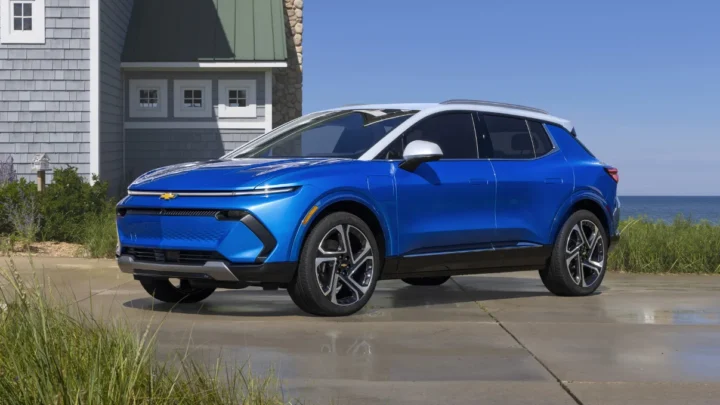
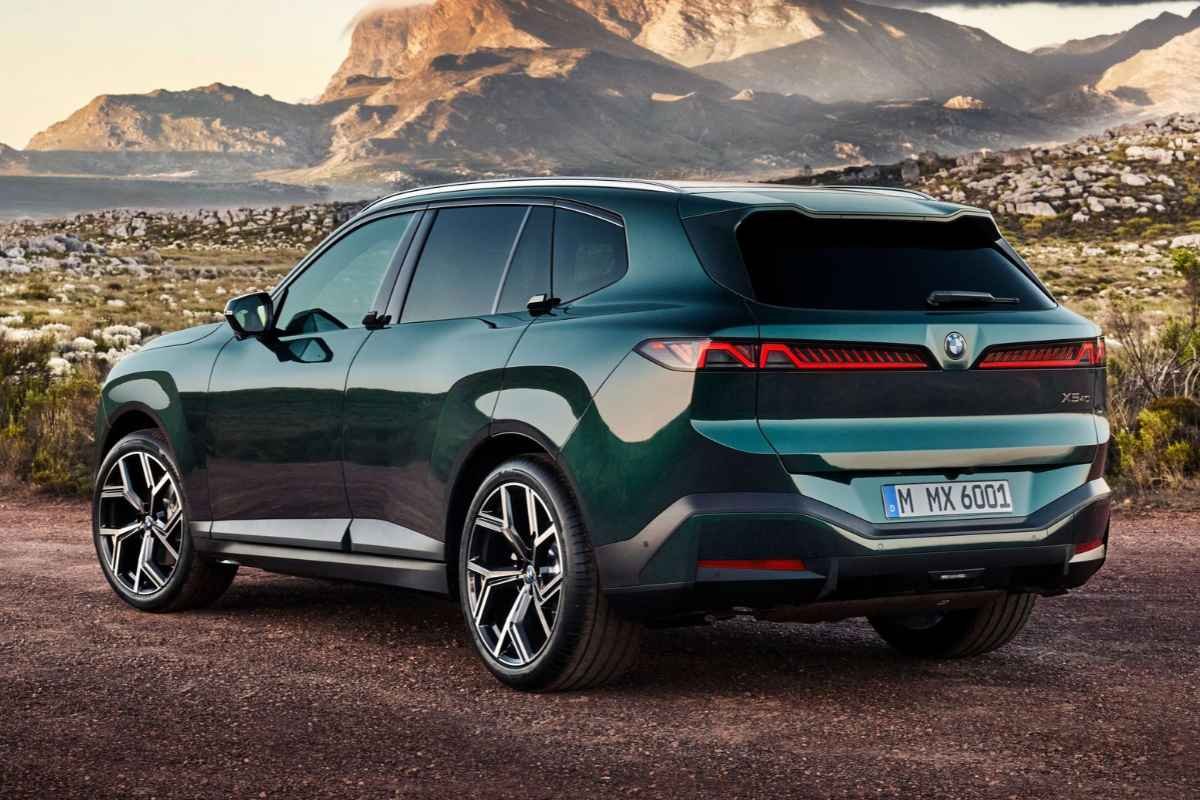
2027 Chevy Bolt vs. Toyota Corolla Hybrid: Which Is Really Cheaper to Own?
One of America's most affordable EVs meets the 50-mpg Corolla Hybrid. We added up 10 years of payments, charging, gas, insurance and resale. At average US prices, the hybrid comes out about $5,000 ahead. Here's when the Bolt wins instead.

In this article
- Bolt vs Corolla Hybrid: specs side by side
- Price: the Corolla starts $3,225 lower
- Running costs: the Bolt saves about $190 a year
- 10-year cost of ownership, line by line
- Does the answer change for you? Five scenarios
- When the Bolt comes out ahead
- Pros and cons
- Which one should you buy?
- Watch: both cars from the automakers
- FAQ
- How we compared them
America’s least expensive new EV at launch against the 50-mpg Toyota Corolla Hybrid. On paper, the Bolt should win easily, because electricity costs less per mile than gas. We added up ten years of payments, charging, fuel, insurance, fees and resale for both cars, using EPA ratings, the automakers’ own prices and our EV vs gas calculator. The result is closer than the sticker prices suggest, and it’s not the one most people expect.
The short answer
At US-average costs, the Corolla Hybrid is about $5,000 cheaper to own over 10 years.
The Bolt costs about 20% less per mile to run: 6.3¢ a mile against 7.9¢. But a 50-mpg hybrid leaves the EV very little to save. The Bolt also costs more to buy, insure and register, and EVs keep less of their value at resale. Those gaps outweigh the fuel savings in every US scenario we tested.
Bolt vs Corolla Hybrid: specs side by side
We compare the trims most buyers will shop: the 2027 Chevrolet Bolt LT and the 2026 Toyota Corolla Hybrid LE. A ✓ marks the better figure.
| Spec | 2027 Chevrolet Bolt LT | 2026 Toyota Corolla Hybrid LE |
|---|---|---|
| Price incl. destination | $28,995 (launch LT: $29,990) | $25,770 ($24,575 + $1,195) |
| Powertrain | Electric motor, LFP battery, front-wheel drive | 1.8-liter 4-cylinder hybrid, front-wheel drive (AWD available) |
| Power | 210 hp | 138 hp (net combined) |
| EPA efficiency | 120 MPGe combined (28 kWh/100 mi) | 50 mpg combined (53 city / 46 hwy) |
| EPA range | 262 miles | About 565 miles per tank |
| Refuel / recharge | DC fast charging up to 150 kW; 10–80% in about 25 min; native NACS (Tesla Supercharger) port | About 5 minutes at any gas station |
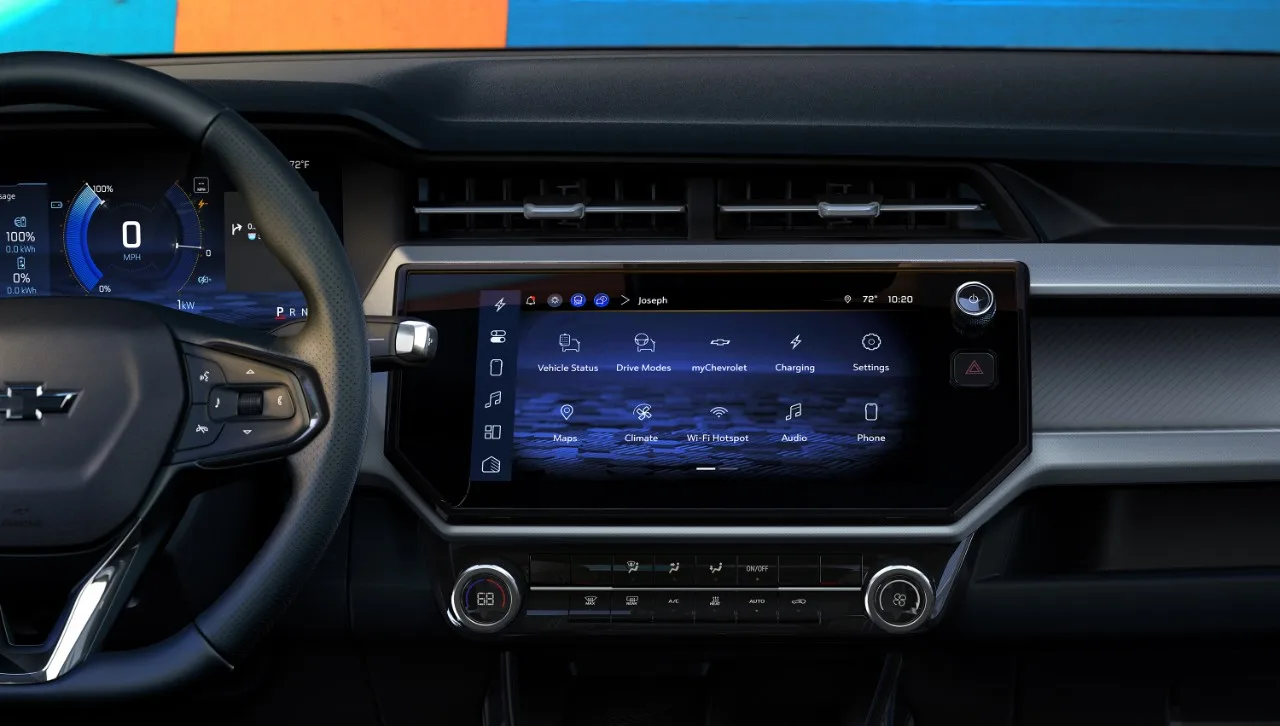
| Screens | 11.3-in touchscreen + 11-in driver display | 8-in touchscreen + 7-in digital cluster |
| Energy cost per mile* | 6.3¢ | 7.9¢ |
| 10-year cost of ownership* | $66,452 | $61,470 |
*US averages: 12,000 miles a year, home electricity at 18¢/kWh with 15% public fast charging at 48¢/kWh, gasoline at $3.94/gal, both cars financed with 10% down at 7% APR over 60 months. Full assumptions are listed in the methodology section below.

Price: the Corolla starts $3,225 lower
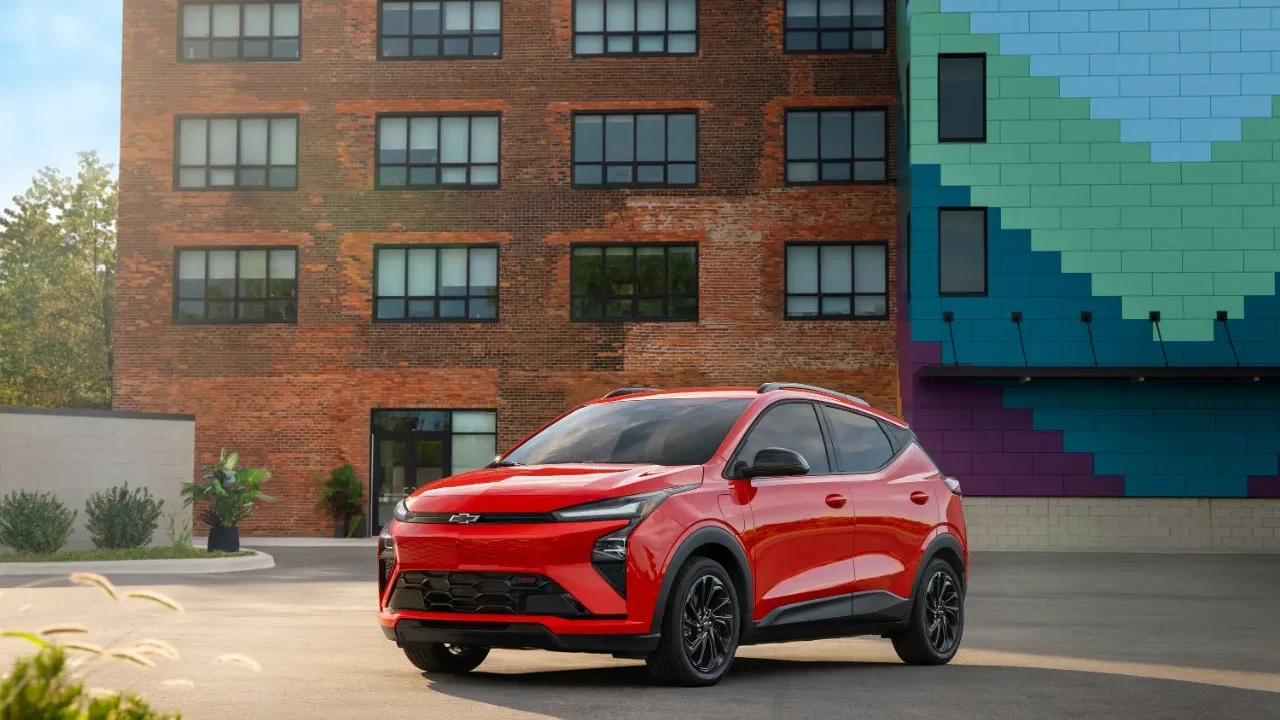
Chevrolet launched the 2027 Bolt LT at $29,990 including a $1,395 destination charge, and later in the model year added a cheaper LT at $28,995. At launch, that made it the least expensive new EV in America. Toyota prices the 2026 Corolla Hybrid LE from $24,575 before its $1,195 destination fee, or $25,770 delivered.
The federal $7,500 clean-vehicle credit no longer applies: it ended for vehicles acquired after September 30, 2025. In practice, the Bolt’s price gap is real unless your state or utility offers a rebate.
Running costs: the Bolt saves about $190 a year
Using the EPA’s 28 kWh per 100 miles, a Bolt driven 12,000 miles a year uses about 3,360 kWh. Charged mostly at home at the national average of 18¢/kWh, with 15% of charging at public fast chargers, that costs about $756 in the first year. The Corolla Hybrid burns about 240 gallons over the same miles. At $3.94 a gallon, that comes to about $946.
The Bolt saves about $190 a year. That’s real money, but it’s far less than an EV saves against a typical 30-mpg gas car. Over ten years, with prices rising 2% a year, charging totals $8,278 and gasoline $10,354, so the Bolt saves about $2,100.
10-year cost of ownership, line by line
| Cost over 10 years | Chevy Bolt LT | Corolla Hybrid LE |
|---|---|---|
| Purchase price | $28,995 | $25,770 |
| Loan interest (7% APR, 60 months) | $4,908 | $4,362 |
| Charging / gasoline | $8,278 | $10,354 |
| Maintenance | $7,000 | $9,000 |
| Insurance | $20,000 | $18,000 |
| Registration & EV fees | $2,200 | $1,200 |
| Resale value after 10 years | −$4,929 (17%) | −$7,216 (28%) |
| Total cost of ownership | $66,452 | $61,470 |
Monthly payments are $517 for the Bolt and $459 for the Corolla Hybrid. The Bolt never catches up at average US prices. It saves about $2,100 on energy and $2,000 on maintenance. But it costs about $3,200 more up front, $550 more in interest, $2,000 more in insurance and $1,000 more in registration fees. It also gets back about $2,300 less at resale.
Run it with your own numbers
Your electricity rate, gas price, insurance quotes and mileage are pre-filled with this article’s figures. Change any of them.
Does the answer change for you? Five scenarios
We changed one thing at a time and kept everything else at the US averages above.
| Scenario | Bolt LT | Corolla Hybrid | Cheaper |
|---|---|---|---|
| US average (12,000 mi/yr) | $66,452 | $61,470 | Corolla by $4,981 |
| High mileage (15,000 mi/yr) | $68,521 | $64,059 | Corolla by $4,462 |
| California (32¢/kWh, $5.71/gal) | $71,216 | $66,122 | Corolla by $5,094 |
| Cheap overnight rate (12¢/kWh, 95% home) | $63,251 | $61,470 | Corolla by $1,780 |
| Keep it 5 years, not 10 | $40,259 | $35,495 | Corolla by $4,764 |
The California result surprises many people. Gas there costs 45% more than the national average, but electricity costs about 78% more, so the Bolt’s advantage per mile shrinks.
When the Bolt comes out ahead
The gap is about $5,000 over ten years, or roughly $40 a month. A few realistic changes can close it:
- Cheap home charging: an off-peak EV rate or rooftop solar near 12¢/kWh cuts the gap to about $1,800.
- Equal insurance quotes: we assumed the Bolt costs $200 a year more to insure. Get real quotes, because if they match, that’s $2,000 back.
- No state EV fee: many states add $100–$250 a year to EV registration. Without it, the Bolt saves another $1,000.
- A dealer discount or state rebate: every dollar off the Bolt’s price comes straight off the gap.
Put the first three together (12¢ charging, matching insurance and no extra EV fee), and the Bolt finishes about $1,200 ahead over ten years. Against a regular gas car that gets around 30 mpg instead of 50, the Bolt wins far more easily.
Pros and cons
2027 Chevrolet Bolt
What we like
- One of America’s cheapest new EVs, from $28,995 delivered
- 262-mile EPA range and 150 kW fast charging
- Native NACS port for Tesla Superchargers
- 210 hp, and no oil changes
- Vehicle-to-home backup power capability
Watch out for
- Costs more than the Corolla Hybrid over 10 years at average prices
- No federal tax credit since Sept 30, 2025
- EVs typically lose value faster
- Super Cruise isn’t offered on the cheapest LT
2026 Toyota Corolla Hybrid
What we like
- Lowest 10-year cost in every US scenario we ran
- 50 mpg combined and about 565 miles per tank
- Available all-wheel drive (48 mpg)
- Blind Spot Monitor standard on every 2026 trim
- Refuels in minutes anywhere
Watch out for
- 138 hp, much less than the Bolt’s 210
- Still buys about 240 gallons of gas a year
- Smaller 8-inch touchscreen on the LE
- Routine engine maintenance, such as oil changes
Which one should you buy?
Buy the Bolt if…
- You can charge at home, ideally on an off-peak rate
- Your insurance quotes are close to the Corolla’s
- You want quicker acceleration, a quiet cabin and no gas stops
- Your state offers an EV rebate
Buy the Corolla Hybrid if…
- The lowest total cost matters most
- You can’t charge at home
- You often drive long distances
- You want all-wheel drive
Watch: both cars from the automakers
FAQ
Is the Chevy Bolt cheaper to own than a Toyota Corolla Hybrid?
At US-average prices, no. Our 10-year estimate is $66,452 for the Bolt LT and $61,470 for the Corolla Hybrid LE. The Bolt is cheaper per mile, but its higher price, insurance, EV fees and faster depreciation outweigh the savings. With cheap home charging and matching insurance, the Bolt can come out ahead.
Does the 2027 Chevy Bolt qualify for a tax credit?
Not at the federal level. The $7,500 clean-vehicle credit ended for vehicles acquired after September 30, 2025. Some states and utilities still offer rebates, so check yours.
How much does it cost to charge a 2027 Bolt?
At 18¢/kWh, about 5¢ a mile at home, or about 6.3¢ a mile once you include some public fast charging. That works out to roughly $750 a year at 12,000 miles.
Can the 2027 Bolt use Tesla Superchargers?
Yes. It’s the first Chevrolet with a native NACS charging port, so it can use compatible Tesla Superchargers without an adapter.
Which car holds its value better?
Historically, Toyota hybrids hold their value better than EVs. We assume 28% of the purchase price remains after 10 years for the Corolla Hybrid and 17% for the Bolt. You can change both figures in the calculator.
How we compared them
This is a data-led ownership-cost comparison, not a road test. We haven’t driven these cars for this article. Every figure comes from the sources below or from our open calculator.
- Prices: Chevrolet (2027 Bolt LT, including $1,395 destination) and Toyota (2026 Corolla Hybrid LE, $24,575 MSRP, plus a $1,195 destination fee).
- Efficiency and range: EPA ratings on fueleconomy.gov. Bolt: 120 MPGe, 28 kWh/100 mi, 262 miles. Corolla Hybrid: 50 mpg combined.
- Energy prices: gasoline $3.94/gal (AAA national average, Nov 2026); home electricity 18¢/kWh (EIA residential average); public fast charging 48¢/kWh for 15% of charging. Both rise 2% a year.
- Financing: 10% down, 7% APR, 60 months.
- Estimates (national averages; replace them with your own quotes): insurance $2,000/yr for the Bolt and $1,800/yr for the Corolla; maintenance $700/yr and $900/yr; registration $220/yr including a typical state EV fee, and $120/yr; resale after 10 years 17% and 28% of the purchase price.
Sources: GM: Introducing the 2027 Chevrolet Bolt · fueleconomy.gov: 2027 Chevrolet Bolt · Toyota: 2026 Corolla Hybrid · fueleconomy.gov: 2026 Toyota Corolla

Faisal is the founder and editor of EV vs Gas Car Cost. He builds the site’s ownership-cost calculators and reviews new cars with one question in mind: what will this car really cost to buy, finance, fuel and run? His reviews are based on manufacturer specifications, official fuel-economy and efficiency ratings, and public fuel and electricity price data, which he cites in every article.