MG Windsor EV vs. Grand Vitara Hybrid: Which Is Cheaper to Own Over 10 Years?
Both cost about ₹16 lakh ex-showroom, but the Windsor EV pays no road tax in Delhi and runs for ₹1.73 a km against ₹4.86 for the strong-hybrid Grand Vitara. Over 10 years it is about ₹5 lakh cheaper, even with MG's battery rental.

In this article
- Windsor EV vs Grand Vitara Hybrid: the key numbers
- Price: road tax hands the Windsor a ₹2.2 lakh head start
- Running costs: ₹1.73 vs ₹4.86 a km
- 10-year cost of ownership, line by line
- Should you rent the battery?
- Scenarios: when does the hybrid win?
- When the Grand Vitara Hybrid still makes sense
- Pros and cons
- Which one should you buy?
- FAQ
- How we compared them
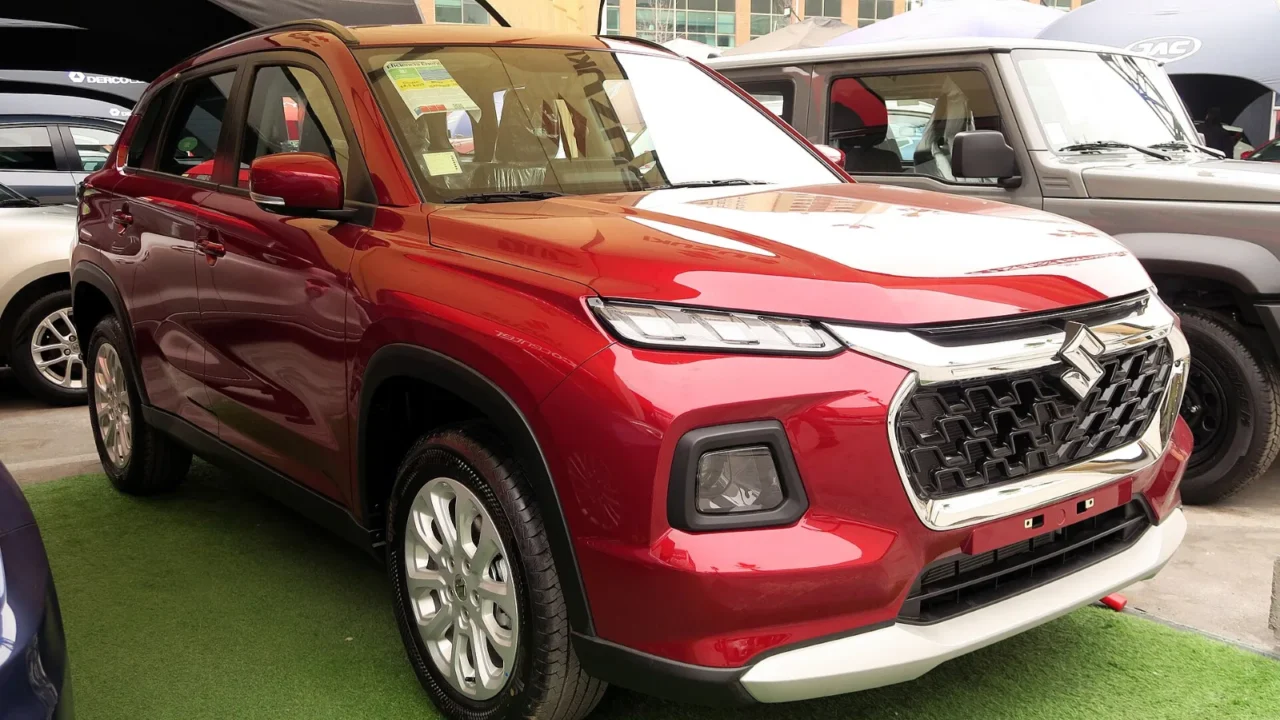
For about ₹16 lakh, Indian buyers can now choose between two very different efficient SUVs: the MG Windsor EV and Maruti’s strong-hybrid Grand Vitara. The hybrid claims almost 28 km/l and never needs charging. The Windsor needs no petrol at all. We compared them over ten years at Delhi prices from November 2026, covering EMIs, electricity, petrol, servicing, insurance, road tax and resale, plus MG’s battery-rental option.
The short answer
In Delhi, the Windsor EV is about ₹5 lakh cheaper to own over 10 years than the Grand Vitara strong hybrid.
The Windsor costs about ₹1.73 a km to run with some public charging, against ₹4.86 a km for the hybrid in real-world driving. It also pays no road tax in Delhi, while the hybrid pays about ₹1.67 lakh. The hybrid only comes out ahead in a worst case for the EV: almost no resale value, the hybrid matching its ARAI figure, and no road-tax gap.
Windsor EV vs Grand Vitara Hybrid: the key numbers
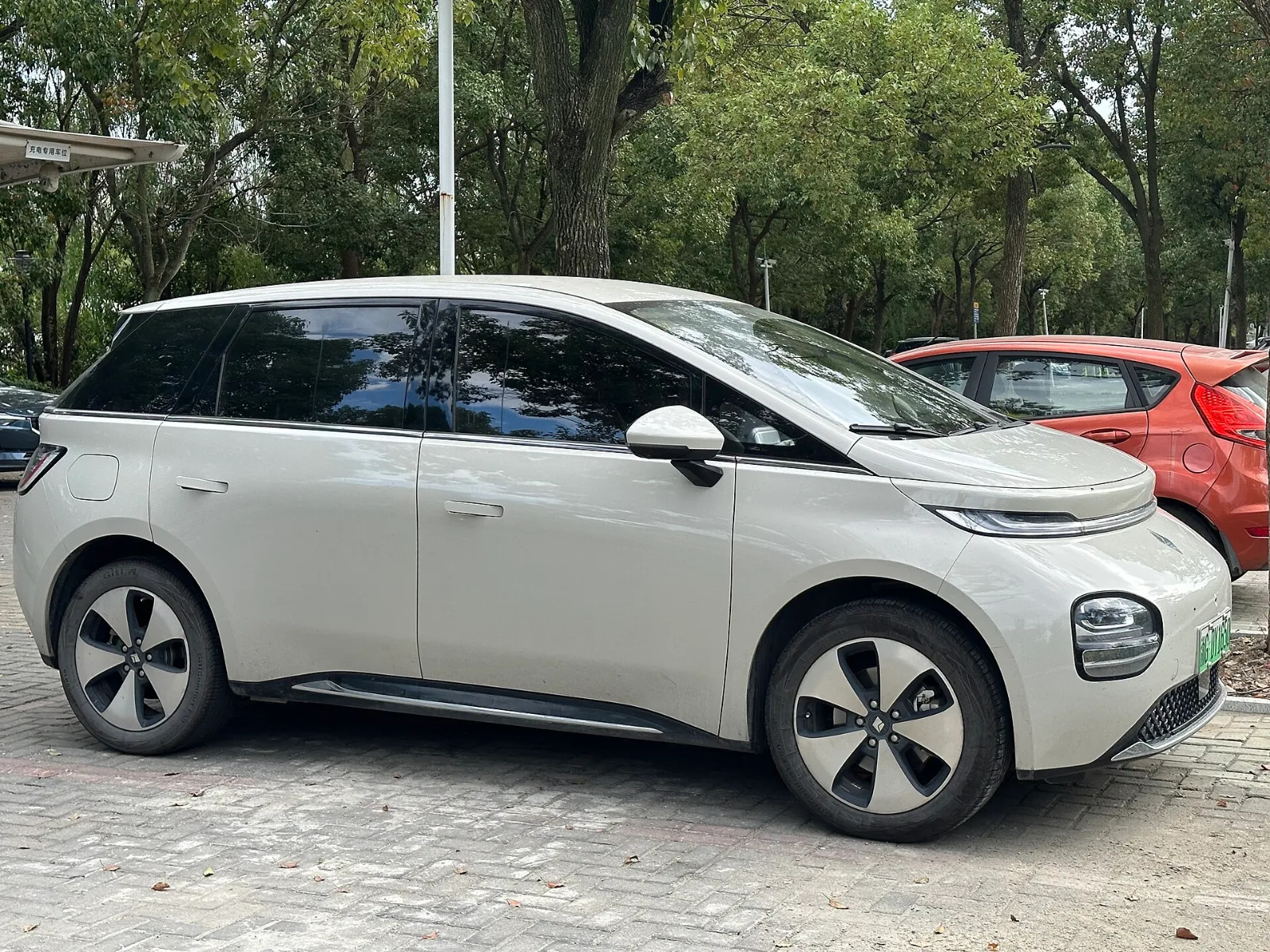
We compare the Windsor Exclusive with the cheapest strong-hybrid Grand Vitara, the Delta+. They are within ₹54,000 of each other ex-showroom. A ✓ marks the better figure.
| Spec | MG Windsor EV Exclusive | Maruti Grand Vitara Delta+ Strong Hybrid |
|---|---|---|
| Ex-showroom (Delhi) | ₹16,14,800 | ₹16,68,300 |
| Delhi road tax | Nil (Delhi EV Policy 2026) | 10% (about ₹1.67 lakh) |
| Powertrain | 38 kWh battery | 1.5-litre petrol strong hybrid, e-CVT |
| Claimed efficiency | 332 km range (ARAI) | 27.97 km/l (ARAI) |
| Real-world figure we used | 6 km per kWh from the socket | 21 km/l |
| Battery rental option | ₹11.29 lakh + ₹4.3 a km | Not applicable |
| Running cost per km* | ₹1.73 | ₹4.86 |
| 10-year cost of ownership* | ₹24.25 lakh | ₹29.21 lakh |
*12,000 km a year in Delhi: home electricity ₹8/kWh with 20% of charging at public chargers for ₹20/kWh; petrol ₹102.12 a litre; both financed with 20% down at 9% over 60 months. Full assumptions are in the methodology section.
Price: road tax hands the Windsor a ₹2.2 lakh head start
MG lists the Windsor EV Exclusive at ₹16,14,800 ex-showroom, and Maruti’s Nexa site lists the Grand Vitara Delta+ Strong Hybrid at ₹16,68,300. On sticker price alone, the EV is ₹53,500 cheaper.
Road tax widens that gap. Delhi’s EV Policy 2026 waives road tax and registration fees on electric cars up to ₹30 lakh until March 2030. An early draft offered strong hybrids a 50% road-tax cut, but the final policy dropped it, so the Grand Vitara pays the full 10%. Including road tax, the Windsor is about ₹2.2 lakh cheaper. With 20% down on a five-year loan, the EMIs are ₹26,816 for the Windsor and ₹30,475 for the Grand Vitara.
Running costs: ₹1.73 vs ₹4.86 a km
The Windsor’s 38 kWh battery has an ARAI range of 332 km. Real-world range is lower, so we assumed 6 km per kWh measured at the wall, about three-quarters of the ARAI figure after charging losses. At ₹8 a unit at home, that’s ₹1.33 a km. With a fifth of charging at public chargers costing ₹20 a unit, it’s ₹1.73 a km, or about ₹20,800 a year for 12,000 km.
The Grand Vitara’s 27.97 km/l is one of the best ARAI figures of any SUV in India. We used 21 km/l for mixed real-world driving, the same three-quarters ratio. At ₹102.12 a litre, that’s ₹4.86 a km, or about ₹58,400 a year. Over ten years, with prices rising 2% a year, energy costs ₹2.28 lakh for the Windsor and ₹6.39 lakh for the hybrid.
10-year cost of ownership, line by line
| Cost over 10 years | Windsor EV Exclusive | Grand Vitara Delta+ Hybrid |
|---|---|---|
| Price incl. road tax | ₹16,14,800 | ₹18,35,130 |
| Loan interest (9%, 60 months) | ₹3,17,148 | ₹3,60,421 |
| Electricity / petrol | ₹2,27,754 | ₹6,38,963 |
| Servicing and maintenance | ₹60,000 | ₹1,00,000 |
| Insurance | ₹4,80,000 | ₹5,00,000 |
| Resale after 10 years | −₹2,74,516 (17%) | −₹5,13,836 (28%) |
| Total cost of ownership | ₹24,25,187 | ₹29,20,678 |
Check it for your city
The India calculator opens with this article’s figures. Change the electricity tariff, petrol price, mileage and insurance quotes to match yours, and add road tax if your state charges it.
Should you rent the battery?
MG sells the Windsor under a Battery-as-a-Service (BaaS) plan: you buy the car without the battery for less money, then pay a fee for every kilometre you drive. For the Exclusive, that’s ₹11.29 lakh plus ₹4.3 a km.
At 12,000 km a year, the rental adds about ₹51,600 a year, more than twice the Windsor’s charging bill. Over ten years, the BaaS Windsor still comes out about ₹4.8 lakh cheaper than the Grand Vitara in our model, but buying the battery outright saves a further ₹17,000 or so. The higher your mileage, the worse BaaS looks: at 20,000 km a year, the Windsor with its own battery beats the hybrid by ₹7.7 lakh, while the BaaS version beats it by ₹4.1 lakh.
BaaS makes sense if you want a lower EMI, drive modest distances and would rather not carry the risk of the battery’s resale value yourself. Check MG’s current terms, including any minimum monthly charge, before you sign.
Scenarios: when does the hybrid win?
We changed one thing at a time and kept everything else at the base case.
| Scenario | Windsor EV | Grand Vitara | Cheaper |
|---|---|---|---|
| Base case (Delhi, 12,000 km a year) | ₹24.25 lakh | ₹29.21 lakh | Windsor by ₹4.95 lakh |
| 15,000 km a year | ₹24.82 lakh | ₹30.80 lakh | Windsor by ₹5.98 lakh |
| 20,000 km a year | ₹25.77 lakh | ₹33.47 lakh | Windsor by ₹7.70 lakh |
| Charge only at home (95%) | ₹23.86 lakh | ₹29.21 lakh | Windsor by ₹5.35 lakh |
| Ex-showroom only (no road tax for either) | ₹24.25 lakh | ₹27.68 lakh | Windsor by ₹3.43 lakh |
| Hybrid matches its ARAI 27.97 km/l | ₹24.25 lakh | ₹27.61 lakh | Windsor by ₹3.36 lakh |
| Windsor worth nothing after 10 years | ₹27.00 lakh | ₹29.21 lakh | Windsor by ₹2.21 lakh |
| Keep it 5 years, not 10 | ₹16.32 lakh | ₹18.27 lakh | Windsor by ₹1.95 lakh |
| Battery rental (BaaS), 12,000 km a year | ₹24.43 lakh | ₹29.21 lakh | Windsor by ₹4.78 lakh |
| Worst case for the EV: no resale, ARAI economy, no road-tax gap | ₹27.00 lakh | ₹26.09 lakh | Grand Vitara by ₹91,000 |
At base-case running costs, the Windsor would tie with the Grand Vitara at about ₹21 lakh ex-showroom, well above its actual price.
When the Grand Vitara Hybrid still makes sense
- You can’t charge at home or work. Relying on public chargers raises the Windsor’s cost per km, and charging stops take planning.
- You drive long highway distances often. The hybrid refuels in minutes at any pump, and its efficiency holds up well at steady speeds.
- You live in a state without an EV road-tax waiver and expect used EVs to be worth very little. That combination is the only way the hybrid won in our scenarios.
- You need all-wheel drive. The Grand Vitara range offers AllGrip AWD with the mild-hybrid petrol engine; the Windsor is front-wheel drive only.
Pros and cons
MG Windsor EV
What we like
- About ₹5 lakh cheaper over 10 years in Delhi
- Cheaper to buy, even before road tax
- About ₹1.33 a km charging at home
- Optional battery rental lowers the upfront price
- 52.9 kWh Pro versions offer 449 km (ARAI)
Watch out for
- Real-world range on the 38 kWh battery is well below 332 km
- Resale values for used EVs are uncertain
- Needs home or workplace charging to make sense
- Battery rental gets expensive at high mileage
Grand Vitara Strong Hybrid
What we like
- 27.97 km/l ARAI, excellent for an SUV
- No charging needed
- Maruti’s large service network
- Stronger expected resale value
Watch out for
- About ₹5 lakh more over 10 years in Delhi
- Pays 10% road tax in Delhi, with no hybrid relief
- Still costs ₹4.86 a km in real-world driving
- Highest EMI of the two
Which one should you buy?
Buy the Windsor EV if…
- You can charge at home or work
- You live in Delhi or another state that waives EV road tax
- Most of your driving is in and around the city
- You drive 12,000 km a year or more
Buy the Grand Vitara Hybrid if…
- You can’t charge at home
- You do frequent long highway trips
- You want a strong resale value and a large service network
- You’d rather not depend on public chargers
FAQ
Is the MG Windsor EV cheaper to own than the Grand Vitara Hybrid?
In Delhi, yes: about ₹24.3 lakh over ten years for the Windsor Exclusive against ₹29.2 lakh for the Grand Vitara Delta+ Strong Hybrid, at 12,000 km a year. The road-tax waiver accounts for about ₹2.2 lakh of that gap before interest.
What is the Windsor EV’s battery rental price?
MG lists the Windsor Exclusive at ₹11.29 lakh plus ₹4.3 a km under its Battery-as-a-Service plan, against ₹16,14,800 with the battery included. The Excite starts at ₹9.99 lakh plus ₹4.3 a km.
What mileage does the Grand Vitara strong hybrid give?
Its ARAI figure is 27.97 km/l. Real-world economy depends on traffic and driving style; we assumed 21 km/l, about three-quarters of the claim.
Do hybrid cars get a road-tax waiver in Delhi?
No. A draft of the Delhi EV Policy 2026 proposed a 50% road-tax cut for strong hybrids, but the final policy doesn’t include it. Only electric cars up to ₹30 lakh are exempt.
How much does it cost to charge the Windsor EV at home?
At ₹8 a unit and about 6 km per kWh including charging losses, around ₹1.33 a km, or roughly ₹16,000 a year for 12,000 km if you charge only at home.
How we compared them
This is a data-led ownership-cost comparison, not a road test. We haven’t driven these cars for this article.
- Prices: MG Windsor EV Exclusive ₹16,14,800 ex-showroom, or ₹11.29 lakh plus ₹4.3 a km with BaaS (mgmotor.co.in); Grand Vitara Delta+ Strong Hybrid ₹16,68,300 ex-showroom Delhi (nexaexperience.com). Both checked 22 November 2026.
- Road tax: Delhi EV Policy 2026 (EVs up to ₹30 lakh exempt until March 2030; no relief for hybrids); 10% of the ex-showroom price for private petrol cars above ₹10 lakh.
- Efficiency: Windsor 38 kWh ARAI range 332 km; we assumed 6 km per kWh from the socket. Grand Vitara Strong Hybrid ARAI 27.97 km/l; we assumed 21 km/l. Both are our real-world estimates at about three-quarters of the official figure.
- Energy prices: petrol ₹102.12 a litre (Delhi, November 2026); home electricity ₹8 a unit, public charging ₹20 a unit for 20% of charging. Both rise 2% a year.
- Financing: 20% down, 9% interest, 60 months.
- Estimates (replace them with your own quotes): insurance about 3% of the price a year (₹48,000 EV, ₹50,000 hybrid); maintenance ₹6,000 a year for the EV and ₹10,000 for the hybrid; resale after 10 years 17% for the EV and 28% for the hybrid.
Sources: MG Motor India: Windsor EV · Nexa: Grand Vitara price · Autocar India: Delhi EV policy and hybrids · Business Today: Delhi EV Policy 2026 explained · Policybazaar: Delhi road tax
Faisal is the founder and editor of EV vs Gas Car Cost. He builds the site’s ownership-cost calculators and reviews new cars with one question in mind: what will this car really cost to buy, finance, fuel and run? His reviews are based on manufacturer specifications, official fuel-economy and efficiency ratings, and public fuel and electricity price data, which he cites in every article. He also publishes daily car review videos on his YouTube channel, CarRev3.