
The 2027 Volkswagen ID. Tiguan story starts with a calendar distinction: Volkswagen plans an early-2027 European launch, while North American timing remains unannounced. The electric SUV is worth watching for its cabin controls, but a U.S. purchase decision still needs a price, an equipment list, and EPA figures.
Volkswagen unveiled the model on October 9, 2026. Its spokesperson told Edmunds that the ID. Tiguan is planned to succeed the ID.4 in North America, with regional details to follow.
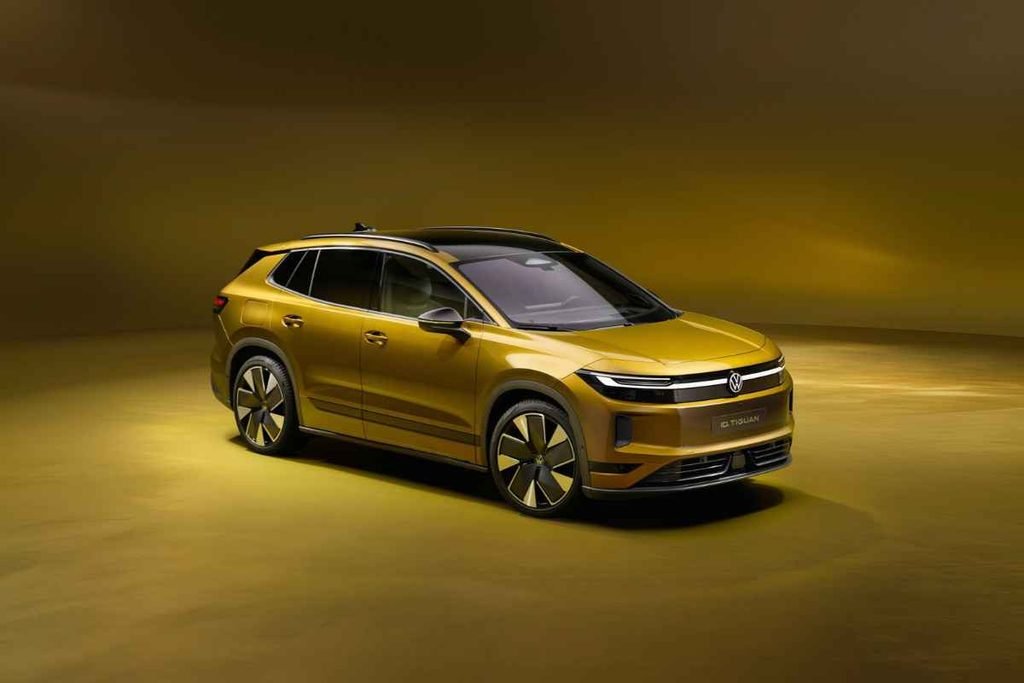
Is the 2027 Volkswagen ID. Tiguan coming to America?
A North American version is planned. An official U.S. model-year designation and delivery schedule have not been established in the announcement materials reviewed.
MotorTrend reports that a representative previously indicated a 2028 model arriving later in 2027. That is useful context, but the publication also reports that Volkswagen’s current statement leaves U.S. timing, pricing, trims, and powertrains pending.
For shoppers, the consequence is simple: a European launch date is not a U.S. delivery promise. Anyone whose lease ends soon should keep an available replacement on the shortlist.
Related: 2027 Volkswagen Atlas SEL Premium R-Line: Worth $58K?
The cabin changes that deserve attention
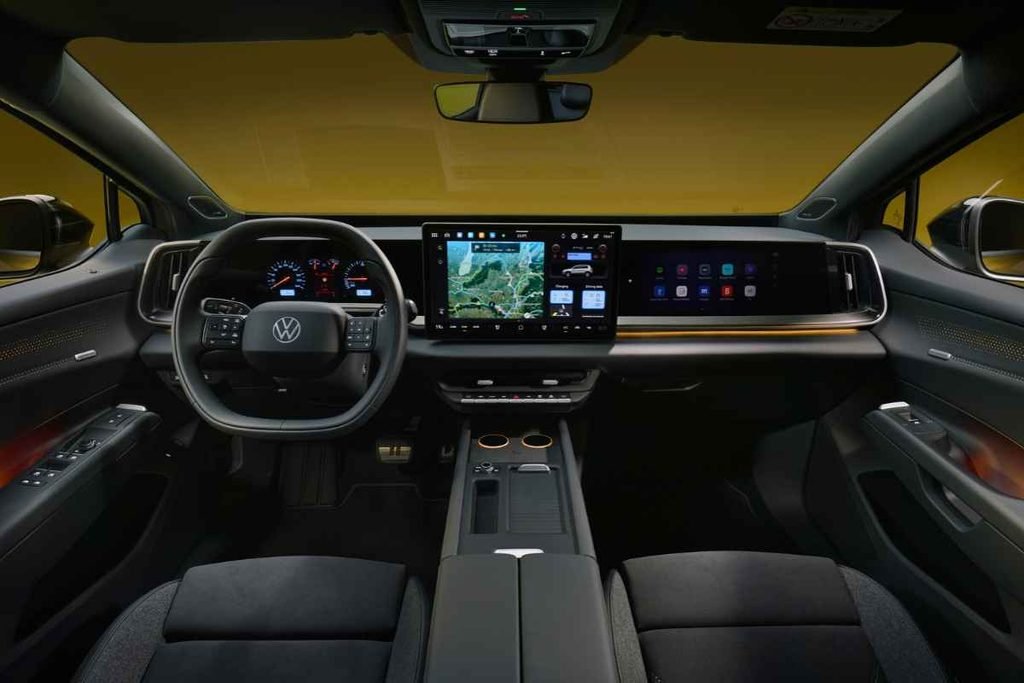
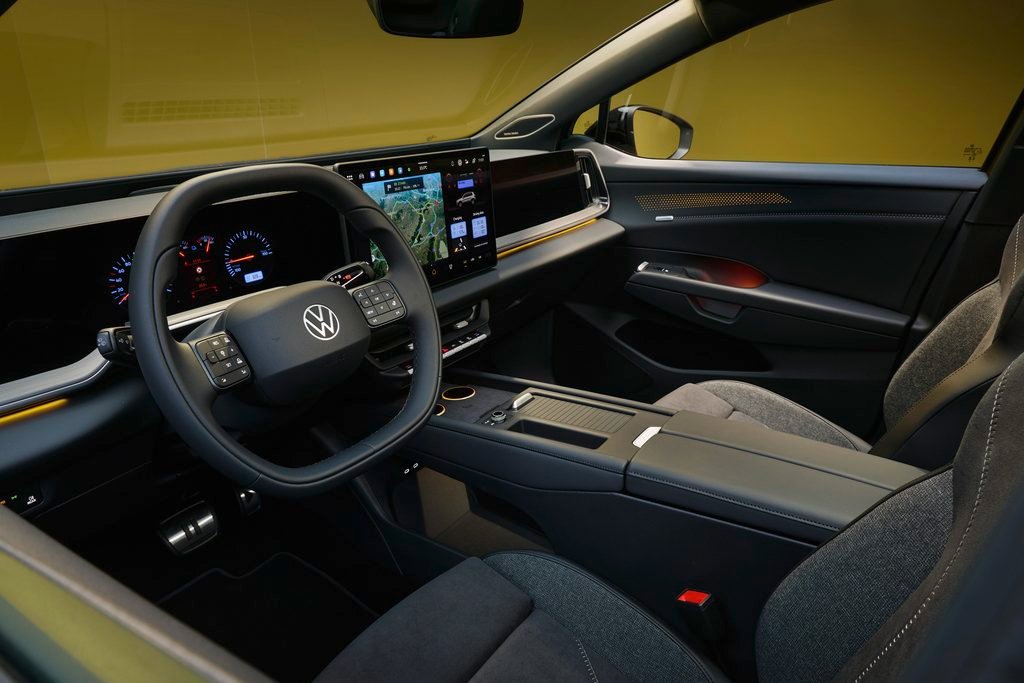
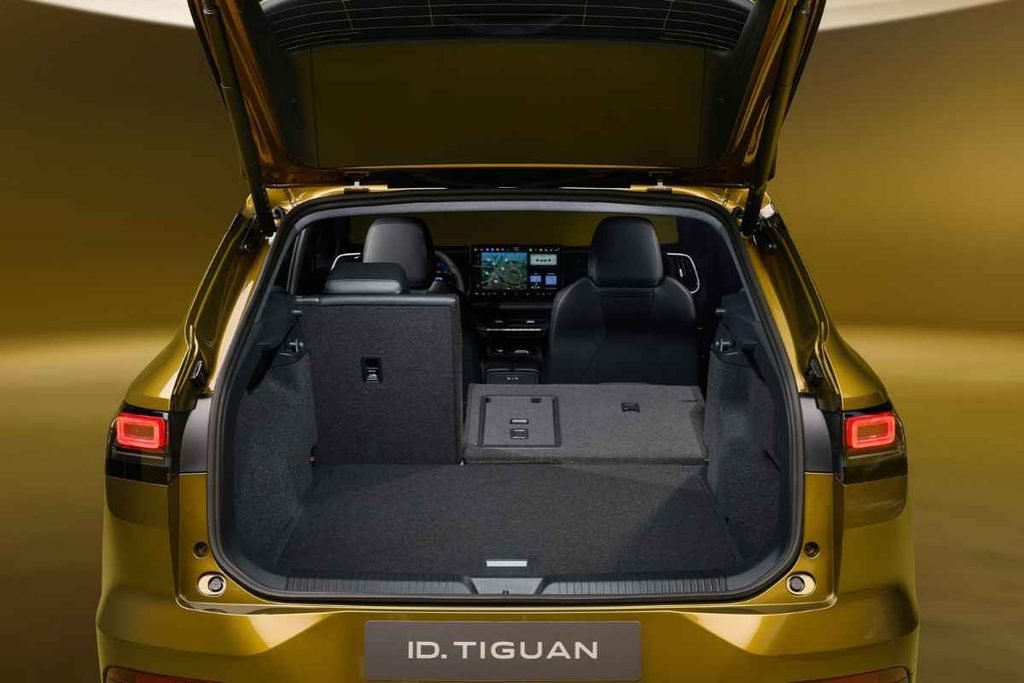
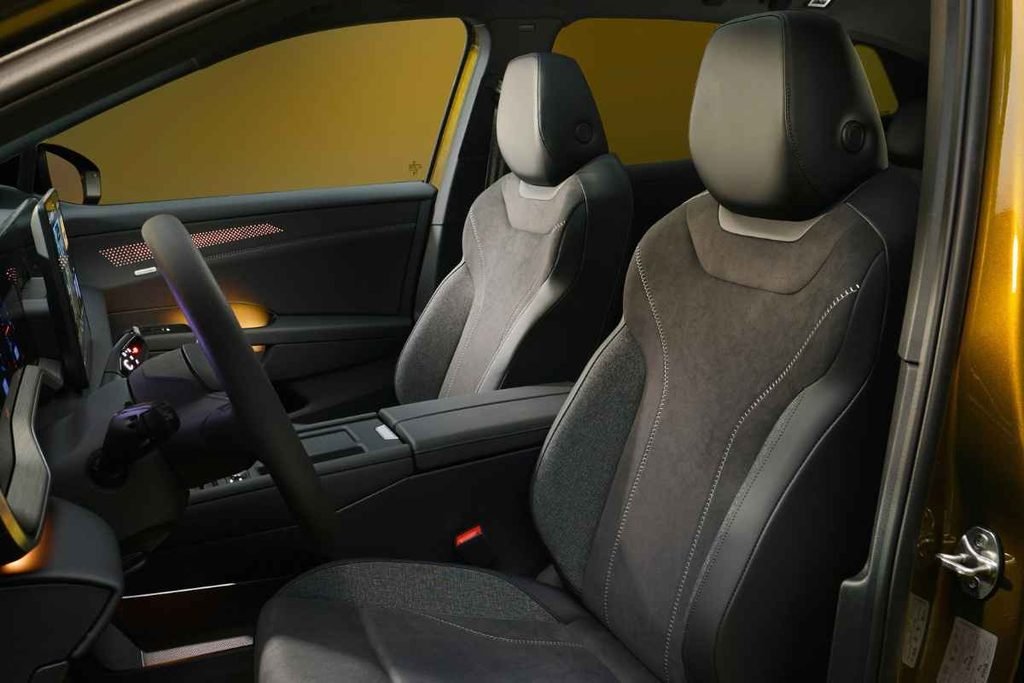
The European model brings back physical controls for the windows and climate settings, plus an audio rotary knob. Its central touchscreen measures 15 inches, with an optional 12-inch passenger display. Volkswagen’s UK interior information describes these features. volkswagen.co.uk
Dedicated controls could make common adjustments easier to find by touch. That is an editorial inference; their operation on the road still needs hands-on assessment. A larger display alone does not prove that menus respond quickly or that important settings are easy to reach.
Optional European equipment includes front-seat massage. Before paying for extras, buyers should try the seat adjustment range, check screen reflections, and connect their own phone. U.S. smartphone integration, subscriptions, and trim packaging need confirmation.
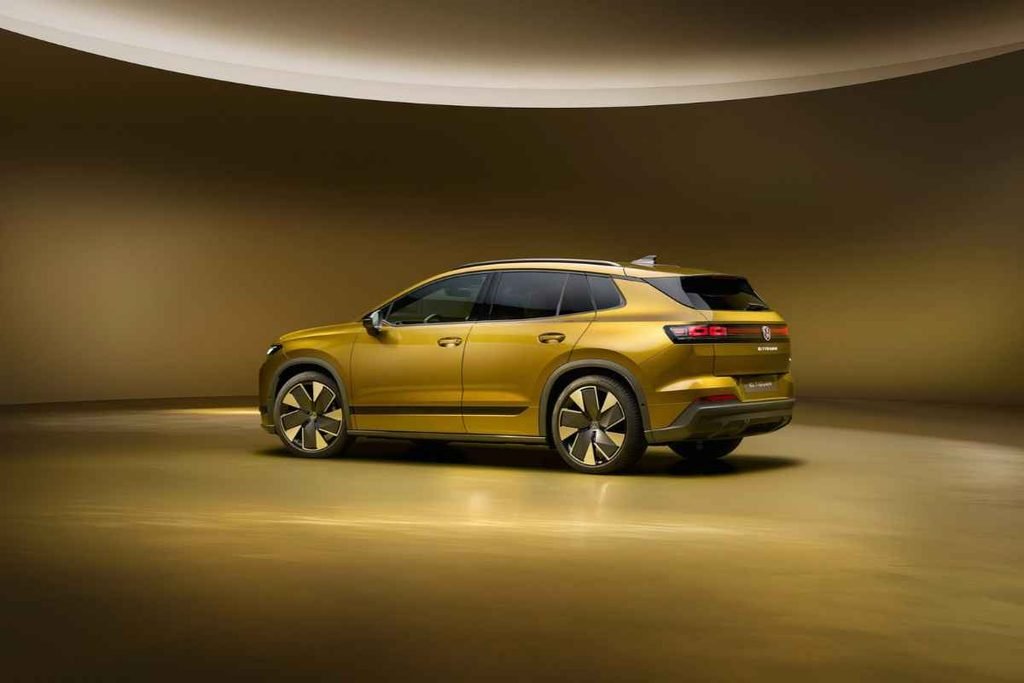
A more recognizable SUV shape
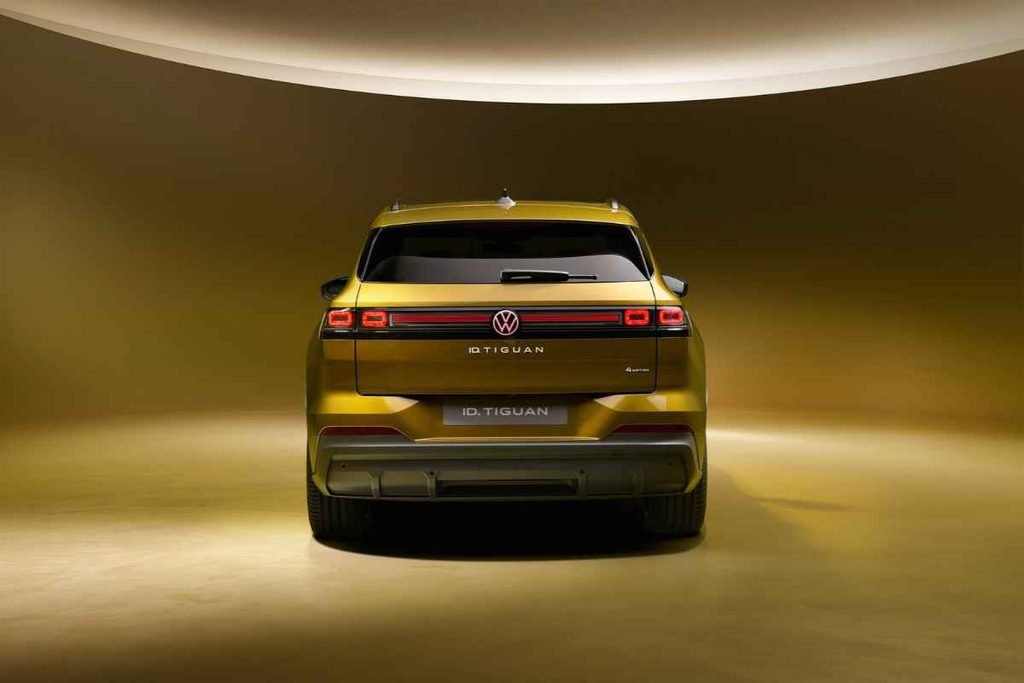
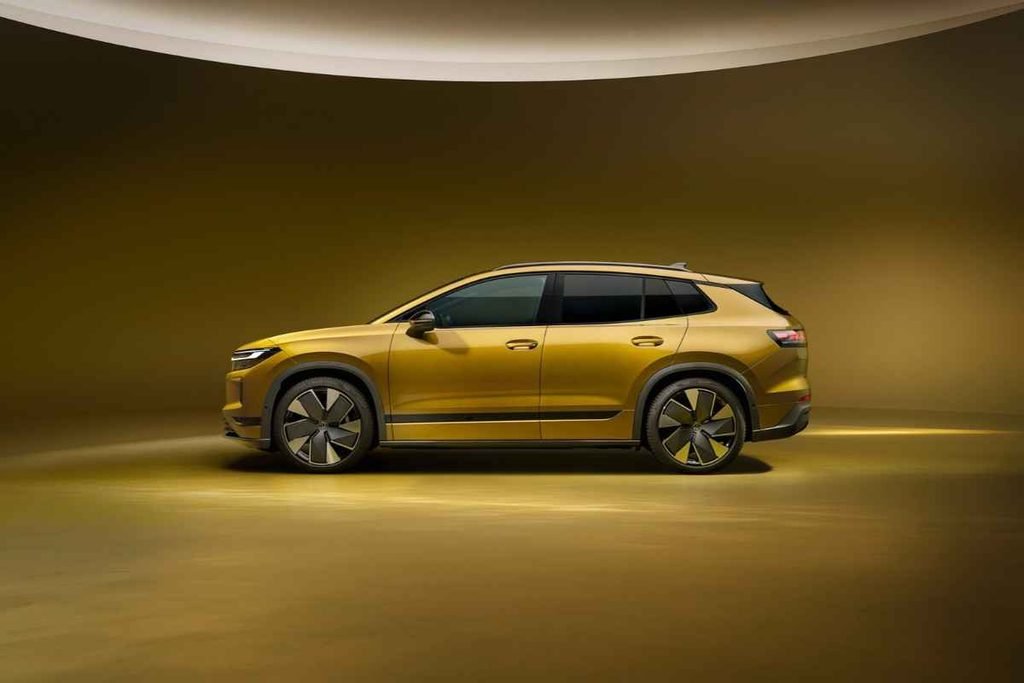
Volkswagen’s European product page shows a sharper lighting treatment and illuminated front and rear logos from the Style trim upward. U.S. trim names and lighting equipment are still pending.
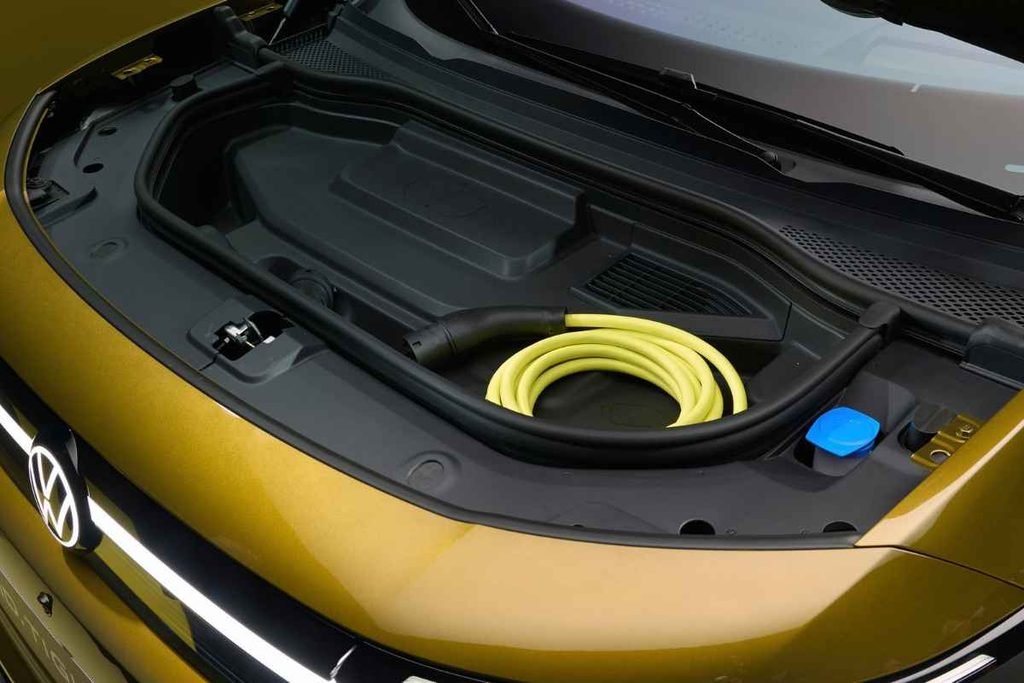
Volkswagen’s reveal also describes five-passenger seating and a 32-liter front storage compartment, approximately 1.1 cubic feet. A separate place for charging cables could keep the main cargo area tidier. It does not establish how well a stroller or luggage will fit; practical cargo testing remains necessary.
Announced European powertrains
These are European configurations from Volkswagen’s reveal, not a confirmed U.S. lineup. Volkswagen Newsroom
| Drivetrain | Announced battery capacity | Power, converted to U.S. horsepower |
|---|---|---|
| Rear-wheel drive | 58 kWh | Approximately 188 hp from 140 kW |
| Rear-wheel drive | 77 kWh | Approximately 282 hp from 210 kW |
| 4MOTION all-wheel drive | 77 kWh | Approximately 295 hp from 220 kW |
The published European PS figures use a different horsepower unit, so they should not be copied directly into a U.S. specification table.
There is no independent acceleration result used in this preview. Power output cannot settle questions about ride quality, braking feel, or highway noise.
Range and charging: what U.S. buyers still need
Volkswagen quotes up to 600 kilometers of WLTP range, approximately 373 miles. That is a European-cycle claim, not an EPA rating. A fixed percentage reduction would produce an estimate, not verified U.S. range.
The reveal includes one-pedal driving and an available vehicle-to-load adapter for powering external devices. North American availability remains pending.
Before evaluating road-trip suitability, buyers need the U.S. charging connector, supported networks, AC capability, DC charging curve, and charging-time conditions. A peak kilowatt figure alone would not show how long a typical charging stop takes.
EPA consumption, U.S. warranty terms, driver-assistance packaging, and applicable crash-test results also remain unverified for the North American ID. Tiguan.
How charging access changes the budget
An ID. Tiguan electricity bill cannot yet be calculated from verified U.S. consumption. This hypothetical comparison instead shows why charging access matters.
Assume 12,000 miles annually, a generic EV using 30 kWh per 100 miles measured at the wall, home electricity at $0.18/kWh, public charging at $0.50/kWh, and a generic gasoline SUV returning 30 mpg with gas at $3.50 per U.S. gallon. Every rate and efficiency is illustrative.
| Energy scenario | Annual energy cost |
|---|---|
| EV charged entirely at home | $648 |
| EV charged entirely at public stations | $1,800 |
| Gasoline SUV | $1,400 |
EV cost equals miles × kWh/100 miles ÷ 100 × electricity rate. Gas cost equals miles ÷ mpg × gallon price. Charging losses are already included in the assumed wall consumption.
This is energy cost only. Purchase price, financing, insurance, depreciation, maintenance, taxes, and charger installation still matter. You can explore your own assumptions with the site’s EV-versus-gas calculator, whose public form accepts energy rates and vehicle efficiency.
Should you wait?
Waiting makes sense if your current car meets your needs and you want to evaluate Volkswagen’s next EV once U.S. details arrive. Choosing a trim now would be premature.
If you need a vehicle sooner, compare the Chevrolet Equinox EV for an electric option with published U.S. specifications. The current 2026 gasoline Tiguan is another option if charging access is the obstacle. Local inventory and an actual drive should guide the comparison.
The ID. Tiguan’s physical controls are a promising reason to revisit Volkswagen’s electric SUV. Its U.S. price, certified efficiency, and charging performance will determine whether that promise translates into a good purchase.
Editorial basis: Researched preview checked October 10, 2026, using Volkswagen’s European announcement and attributed North American statements. No original test drive was conducted. European specifications are identified throughout.