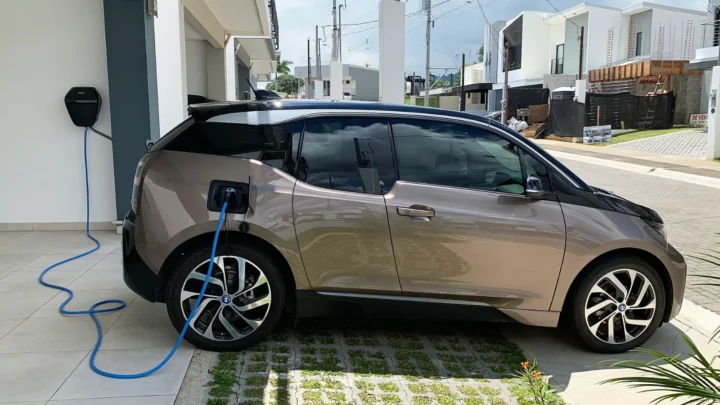
84% of UK Drivers Think EVs Are Too Expensive. Here’s What the Numbers Say
Most UK buyers believe electric cars cost more. With November 2026 prices, an EV charged at home costs about 8p a mile against 16.2p for petrol, and new EVs now cost just £13 more on average. The exception: rapid-only charging costs more than petrol.

In this article
Most British drivers still think electric cars cost too much. In Autotrader’s 2026 Road to 2030 report, 84% of recent non-electric buyers said EVs are expensive to buy. In Deloitte’s latest survey, only 11% of UK consumers would choose a fully electric car next. But the numbers have moved faster than opinion. We checked the purchase price, running costs and tax with November 2026 figures to see where EVs really cost more and where they don’t.
The short answer
If you can charge at home, a typical EV costs about half as much per mile as a petrol car. If you rely on rapid chargers, it costs more.
A typical EV costs about 8p a mile on the Ofgem price cap, or 2.4p on an off-peak EV tariff. A 48 mpg petrol car costs 16.2p at today’s 170.7p a litre. Charging only at 82p rapid chargers pushes the EV to 25p a mile. Purchase prices are now close: in May, new EVs on Autotrader cost on average just £13 more than new petrol cars.
Myth 1: “EVs are much more expensive to buy”
- New cars: Autotrader found that in March 2026, the average advertised price of a new EV fell below petrol for the first time. By May, EVs were on average just £13 dearer, including discounts.
- Used cars: the same report says used EVs match their petrol equivalents at around three years old.
- Grant: the government’s Electric Car Grant takes up to £3,750 off eligible new EVs priced at £37,000 or less (£1,500 for Band 2 cars).
- The catch: averages hide a lot. Small, cheap petrol cars still undercut most EVs, so compare the exact models you’re considering.
Myth 2: “Charging costs as much as petrol”
It depends entirely on where you charge. Here is a typical EV (3.6 miles per kWh) against a 48 mpg petrol car at 10,000 miles a year.
| How you fuel it | Cost per mile | 10,000 miles a year | vs petrol |
|---|---|---|---|
| EV, home charging on an off-peak EV tariff (8p/kWh) | 2.4p | £244 | £1,372 cheaper |
| EV, home charging at the price cap (26.32p/kWh) | 8.0p | £804 | £813 cheaper |
| EV, 85% home and 15% rapid charging | 10.6p | £1,059 | £557 cheaper |
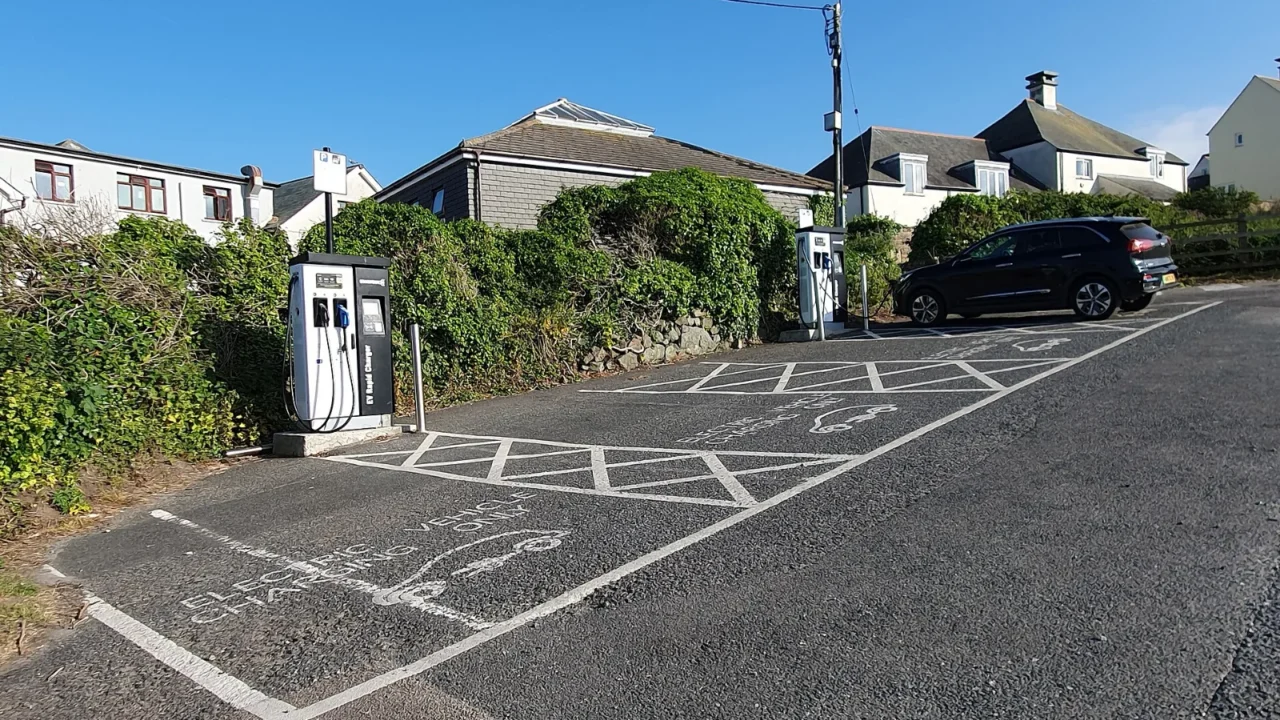
| EV, rapid charging only (82p/kWh) | 25.1p | £2,506 | £889 dearer |
| Petrol car, 48 mpg at 170.7p a litre | 16.2p | £1,617 | — |
Electricity includes 10% charging losses. Rapid charging at 82p/kWh is Zapmap’s October 2026 average. A rapid charger would need to cost under about 53p/kWh to match petrol for this car.
This is the real dividing line in UK EV ownership. Deloitte found that 35% of consumers worry about not having a charger at home. For those drivers, an EV can genuinely cost more to run than petrol. For drivers with a driveway and an EV tariff, it can cost less than a sixth as much.
Myth 3: “EVs dodge tax, so that will change”
- Already changed: since April 2025, electric cars pay the same standard rate of vehicle tax as petrol cars (£200 in 2026–27).
- Expensive car supplement: for electric cars, it starts at a £50,000 list price, compared with £40,000 for petrol and diesel cars, according to GOV.UK’s current rate tables.
- Coming in April 2028: a pay-per-mile charge (eVED) of 3p a mile for electric cars. At 10,000 miles, that’s about £300 a year. Even then, home charging keeps an EV well ahead of petrol on running costs.
The worries that remain
Deloitte found that UK consumers’ biggest EV concerns are driving range (48%), cost (45%), time to charge (43%), battery replacement cost (38%) and a lack of public chargers (37%). Autotrader found 69% of buyers think charging is inconvenient, and 65% say there aren’t enough chargers near their home. These concerns are real, and for drivers without off-street parking they usually matter more than the purchase price.
Will an EV be cheaper for you? Find out in 2 minutes
Our UK calculator uses the Ofgem price cap, current petrol prices, the Electric Car Grant and the 2028 eVED charge. Change the home/public charging split to match your situation.
FAQ
Are electric cars more expensive than petrol cars in the UK?
To buy, they’re now close on average: Autotrader found new EVs cost just £13 more than new petrol cars in May 2026. To run, an EV charged at home costs about half as much per mile as a 48 mpg petrol car, or much less on an off-peak EV tariff.
Is it cheaper to charge an EV than to fill up with petrol?
At home, yes: about 8p a mile at the Ofgem price cap against 16.2p for petrol. On public rapid chargers at 82p/kWh, no: about 25p a mile.
How many UK drivers want an electric car?
Deloitte’s 2026 Global Automotive Consumer Study found 11% of UK consumers would choose a fully electric car next, up from 8% a year earlier. Another 27% would choose a hybrid and 11% a plug-in hybrid.
Do electric cars pay road tax?
Yes. Since April 2025, EVs pay the standard rate (£200 in 2026–27), plus the expensive car supplement if they list above £50,000. A 3p-per-mile eVED charge is planned from April 2028.
How we calculated this
- Typical EV: 3.6 miles per kWh plus 10% charging losses. Typical petrol car: 48 mpg (UK). Distance is 10,000 miles a year.
- Prices: petrol at 170.71p a litre (DESNZ weekly UK pump price, 9 November 2026); electricity at 26.32p/kWh (Ofgem price cap, October to December 2026); rapid charging at 82p/kWh (Zapmap, October 2026); 8p/kWh as an example overnight EV tariff.
- Surveys: Autotrader, The Road to 2030 (11 June 2026); Deloitte UK, 2026 Global Automotive Consumer Study (UK sample of 1,363, fielded October to November 2025, published 15 January 2026).
- Tax: GOV.UK vehicle tax rates; eVED as announced by the government for April 2028.
Sources: Autotrader Road to 2030 · Deloitte UK · DESNZ fuel prices · GOV.UK vehicle tax
Faisal is the founder and editor of EV vs Gas Car Cost. He builds the site’s ownership-cost calculators and reviews new cars with one question in mind: what will this car really cost to buy, finance, fuel and run? His reviews are based on manufacturer specifications, official fuel-economy and efficiency ratings, and public fuel and electricity price data, which he cites in every article. He also publishes daily car review videos on his YouTube channel, CarRev3.